001 / History
Was the Trojan Horse real?
There was a real settlement at Troy. The famous wooden horse belongs to ancient literature, and the archaeology cannot establish that the trick happened.
Read the layers ↗ Lore in Context
A real city. An ancient telling. An object that cannot prove the story.
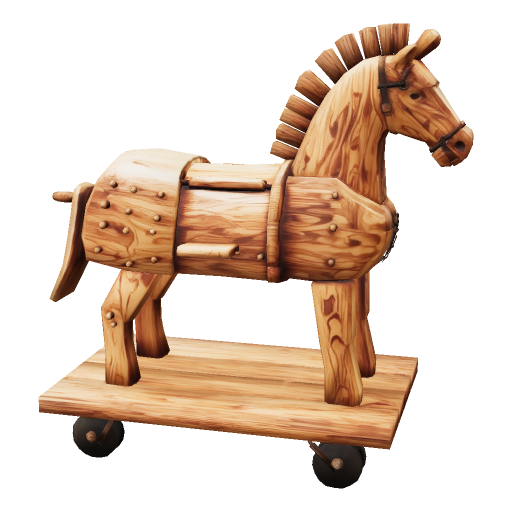
Illustration, not a recovered artifact.
The sculpture lets you follow the shape of the story. The dossier separates the poem, the excavated settlement and the claims neither can establish.
Open the Troy dossier ↗There was a real settlement at Troy. The famous wooden horse belongs to ancient literature, and the archaeology cannot establish that the trick happened.
Read the layers ↗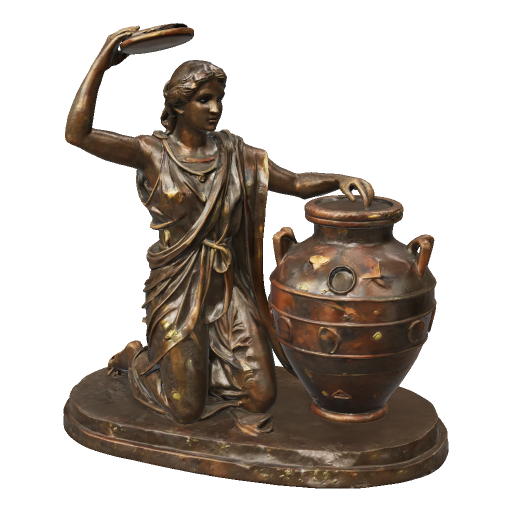
In Hesiod’s Works and Days, Pandora lifts the lid of a jar. The story explains the arrival of hardships, and leaves a question about what it means that Hope stays inside.
Read the layers ↗
Unable to reach a bunch of grapes, a fox walks away declaring them unripe. A short fable about how we explain away disappointment.
Read the layers ↗A passage establishes what a particular telling says. Excavation supports claims about a material site. An interpretation needs a stated reason. Our reading desk makes the distinction practical.
Try three source questions →FOLLOW A PASSAGE
Read the Polyphemus source walk one referenced scene at a time.
Start with a precise detail, keep the source with the wording, then separate the observation from the interpretation.
A convincing object can explain an action. Its shape and motion do not turn it into historical evidence.